Living with polycystic ovary syndrome can feel overwhelming, especially when symptoms like irregular periods, unwanted hair growth, or persistent acne start affecting your daily life. At Miami Women’s Center, our team of experienced OB-GYN specialists is dedicated to helping you understand what’s happening in your body and take back control of your health. From comprehensive hormonal evaluations to personalized treatment plans, we provide the care and guidance you need to manage PCOS effectively and feel your best every day.
Polycystic Ovary Syndrome

What Happens Inside Your Body With PCOS
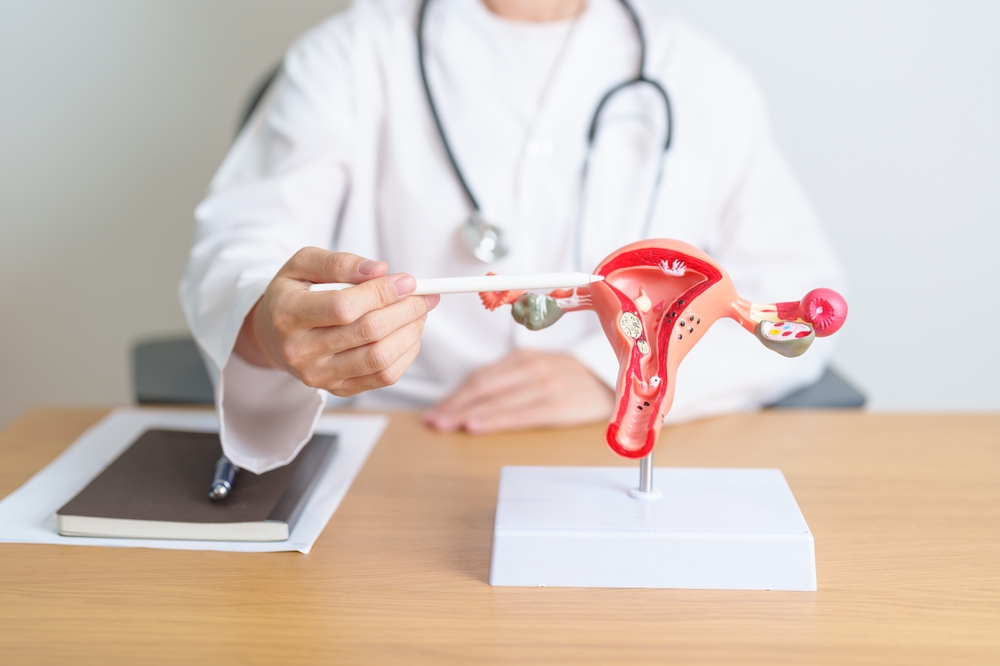
With polycystic ovary syndrome, the disruption starts at the hormonal level. Your ovaries produce more androgens, commonly called male hormones, than they should, and this excess throws off the signals that normally trigger ovulation each month. Without regular ovulation, eggs that should be released instead remain in the ovary as small, fluid-filled follicles. Over time, these follicles accumulate, which is where the “polycystic” part of the name comes from, though not every woman with PCOS will have visible cysts on imaging.
Insulin resistance is another key piece of the puzzle. When your cells don’t respond to insulin efficiently, your body compensates by producing more of it, and higher insulin levels can further stimulate androgen production, creating a reinforcing cycle that’s hard to break without targeted intervention. This hormonal chain reaction is why PCOS doesn’t just affect your period. It can influence your skin, your weight, your metabolism, and your ability to conceive, all at the same time.
Benefits of Polycystic Ovary Syndrome Treatment
Regulated Menstrual Cycles
One of the most immediate goals of PCOS treatment is restoring a predictable, healthy cycle. Hormonal therapies and lifestyle interventions can help regulate your periods, reducing the unpredictability that makes planning difficult. When your cycle becomes more consistent, it also becomes easier to monitor your overall reproductive health and detect any future changes early.
Improved Fertility Outcomes
PCOS is a leading cause of female infertility, largely because irregular ovulation makes conception harder. With a targeted treatment plan, many women with polycystic ovary syndrome are able to ovulate more regularly and significantly improve their chances of becoming pregnant. Whether you’re trying to conceive now or planning for the future, addressing PCOS early gives your fertility the best possible foundation.
Clearer Skin and Reduced Androgen Effects
Elevated androgen levels associated with PCOS often lead to persistent acne and unwanted facial or body hair. Managing the hormonal imbalance at the root of these symptoms can lead to noticeably clearer skin and reduced hair growth over time. This improvement goes beyond aesthetics; it can restore confidence and reduce the emotional burden that many women carry silently with this condition.
Better Weight and Metabolic Health
PCOS is closely tied to insulin resistance, which makes weight management especially challenging. A personalized PCOS care plan addresses these metabolic factors directly, helping you achieve and maintain a healthier weight while lowering your risk of developing type 2 diabetes or cardiovascular problems. Even modest improvements in weight can have a meaningful impact on hormone levels and symptom severity.
Long-Term Hormonal Balance
Treating polycystic ovary syndrome isn’t just about managing today’s symptoms; it’s about protecting your health for years to come. Untreated hormonal imbalances associated with PCOS can increase the risk of endometrial cancer, metabolic syndrome, and other serious conditions. A consistent, proactive treatment plan keeps your hormones in check and reduces these long-term risks significantly.
How We Treat Polycystic Ovary Syndrome
Why Choose Our Treatment Approach to PCOS
Managing polycystic ovary syndrome requires more than a one-size-fits-all prescription; it requires a provider who listens, investigates thoroughly, and builds a plan around your unique needs. Our OB-GYN team brings deep expertise in hormonal health and reproductive medicine, combining advanced diagnostics with compassionate, patient-centered care. We take the time to explain your results, discuss your options honestly, and respect your goals whether they relate to fertility, symptom relief, or long-term wellness.
What sets our approach apart is the integration of comprehensive hormonal imbalance evaluation with ongoing management support. Rather than simply treating surface-level symptoms, we work to identify the underlying hormonal disruptions driving your experience of PCOS. Our team is committed to staying current with the latest evidence-based treatments so that you receive care that is both effective and grounded in the most up-to-date medical guidance. When you come to us, you’re not just a patient; you’re a partner in your own health.

Get the PCOS Care You’ve Been Looking For!
Polycystic ovary syndrome is manageable, and the right care makes a real difference in how you feel day to day. At Miami Women’s Center, we treat PCOS as the complex, whole-body condition it is, not just a hormonal inconvenience to be brushed aside. Our team is ready to work with you from your very first appointment, building a clear picture of your hormonal health and a treatment plan that actually fits your life.
You deserve care that’s thorough, honest, and centered on your goals, whether that means regulating your cycle, managing symptoms, or preparing your body for pregnancy. Schedule your appointment with our team today by calling 786.931.6067 and start getting the care your hormones actually need.

FAQs
How to know if you have PCOS?
PCOS is typically identified through a combination of symptoms, physical examination, bloodwork, and pelvic ultrasound. Common signs include irregular or absent periods, elevated androgen levels, and the presence of follicles on the ovaries. Because symptoms vary so widely, an accurate diagnosis requires professional evaluation rather than self-assessment alone.
Is PCOS genetic?
Research suggests that polycystic ovary syndrome does have a genetic component, meaning it can run in families. If your mother or sister has PCOS, your own risk may be higher than average. However, having a genetic predisposition does not guarantee you will develop the condition, and environmental and lifestyle factors also play a significant role.
Can you get pregnant with PCOS?
Yes, many women with polycystic ovary syndrome do conceive, especially with the right medical support. Because PCOS often affects ovulation, some women may need assistance such as ovulation-stimulating medications or other fertility treatments. With a proper management plan in place, the chances of achieving a healthy pregnancy are considerably improved for most women.
Is PCOS a chronic illness?
Polycystic ovary syndrome is considered a chronic condition, meaning it is long-term and requires ongoing management rather than a one-time cure. However, many women successfully control their symptoms and lead healthy, fulfilling lives with the right care plan. Regular monitoring and proactive treatment help minimize the impact of PCOS on your daily life and overall health.
Is PCOS an autoimmune disease?
PCOS is not classified as an autoimmune disease, though some research has explored possible connections between the two. It is primarily a hormonal and metabolic disorder rooted in androgen excess and insulin resistance rather than an immune system attack on the body. That said, women with PCOS may have a higher likelihood of developing certain autoimmune conditions, which is one more reason consistent medical care is important.