Getting an abnormal Pap smear or HPV result can stop you in your tracks, and the last thing you need is to be left wondering what it means. At Miami Women’s Center, a colposcopy is one of the key diagnostic tools our team uses to get you real answers quickly and comfortably. This close-up cervical exam helps your provider identify any abnormal tissue changes that a routine screening may have flagged, giving you and your care team the clarity needed to take the right next step. You’ll never feel like just a chart number here. Our providers take the time to explain what’s happening and make sure you feel fully informed and at ease throughout your care.
Colposcopy
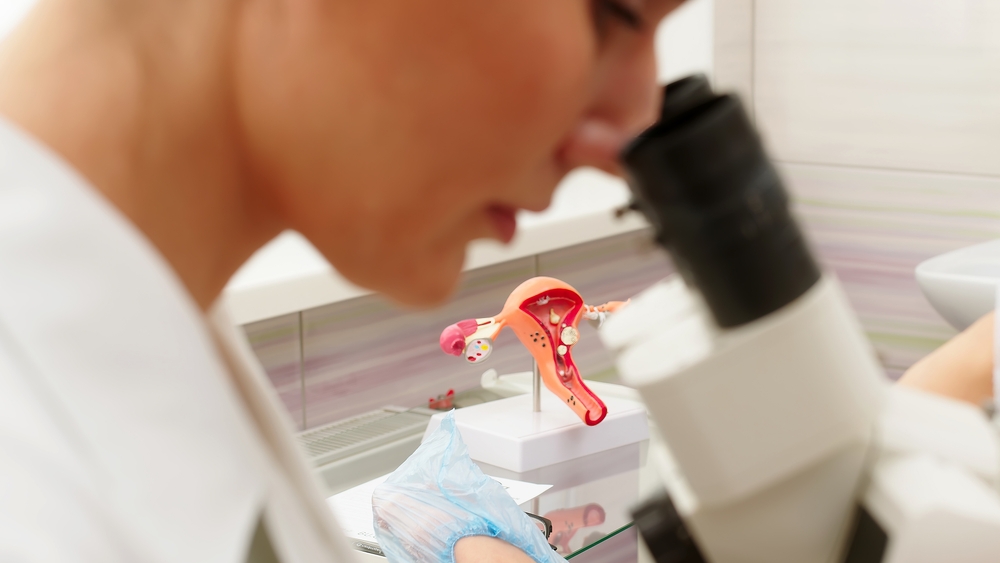
How a Colposcopy Differs From a Pap Smear
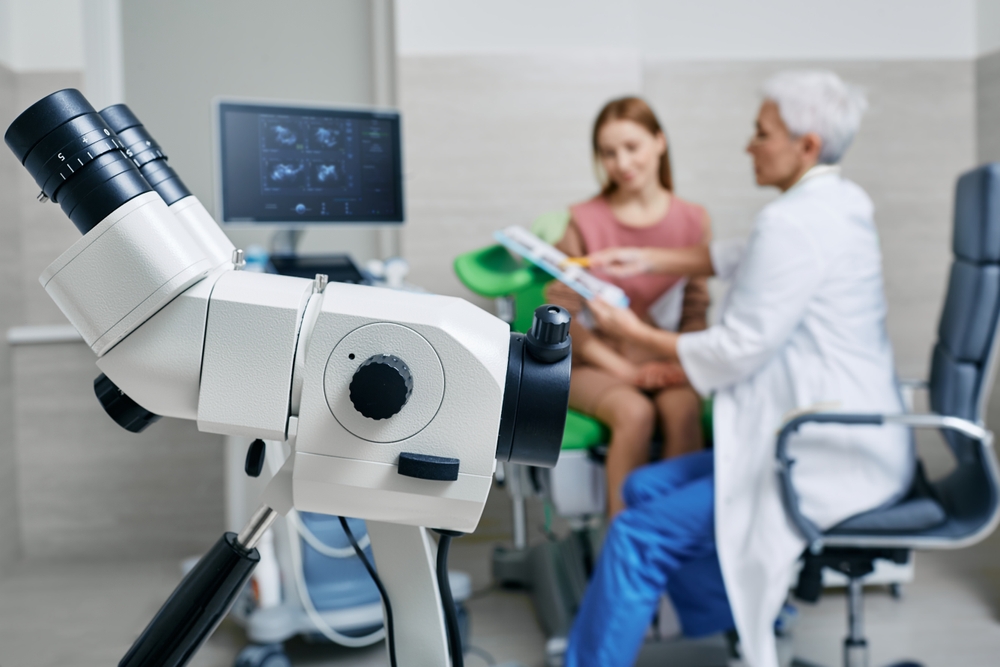
A Pap smear is a screening tool. It collects a small sample of cervical cells to check for anything unusual, but it doesn’t tell your provider exactly where the abnormality is or how significant it may be. A colposcopy takes the next step. Instead of collecting cells for a lab, your provider uses a colposcope, a lighted, magnifying instrument positioned outside your body, to directly examine the surface of your cervix in real time. This gives a level of visual detail that a Pap smear simply isn’t designed to provide.
Think of a Pap smear as a signal and a colposcopy as the investigation that follows. A mild solution is applied to the cervix during the exam to make abnormal tissue easier to identify, and if a concerning area is spotted, a small biopsy may be taken on the spot. The two procedures work together. One flags a potential issue, and the other pinpoints exactly what needs attention. Most colposcopy appointments are completed in under 30 minutes, right in your provider’s office.
Benefits of Colposcopy
Early Detection of Precancerous Changes
One of the most significant advantages of a colposcopy is its ability to catch abnormal cervical cell changes early before they have a chance to develop into cervical cancer. Early detection dramatically improves treatment outcomes and often allows for less invasive interventions. Identifying a problem at its earliest stage gives you more options and a much better chance at preserving your long-term health.
Accurate Diagnosis After Abnormal Test Results
When a Pap smear or HPV test returns abnormal, it raises questions that only a closer examination can answer. A colposcopy eliminates the guesswork by allowing your provider to visually assess the cervix in real time and identify the exact location of any concerning tissue. This level of precision ensures that any next steps are based on clear, reliable findings.
Minimally Invasive and Office-Based
Unlike surgical procedures, a colposcopy requires no incisions, no general anesthesia, and no hospital stay. The entire exam is performed in a clinical setting using external instruments, making it a straightforward and accessible option for most women. Its low-risk nature means you can typically return to your normal daily activities the same day with minimal disruption.
Peace of Mind with Clear Answers
Receiving an abnormal test result can be stressful and anxiety-inducing. A colposcopy gives you and your provider the information needed to move forward confidently, rather than waiting and wondering. Whether the results are reassuring or prompt further care, having a clear answer empowers you to make informed decisions about your health.
Guides Personalized Treatment Planning
The results of a colposcopy directly shape your care plan going forward. If a biopsy confirms abnormal cells, your provider can design a targeted treatment approach specific to the type and severity of the changes found. This personalized approach means you won’t receive a one-size-fits-all solution — your care will be tailored to exactly what your body needs.
What Happens During Your Colposcopy Visit
Why Choose Us
A colposcopy referral often comes with a lot of unanswered questions, and how your provider handles that matters. At Miami Women’s Center, our team doesn’t hand you a pamphlet and send you on your way — we sit with you, explain what your results actually mean, and give you a clear picture of what the procedure involves before you ever get on the exam table. Patients consistently tell us that feeling informed made a significant difference in how they experienced their care, and that’s something we take seriously.
Our providers bring focused gynecological expertise to every colposcopy appointment, which means you’re not receiving generalized care — you’re receiving care that’s specific to women’s cervical health. We follow current clinical guidelines closely, and we’re straightforward about findings, timelines, and options. If additional care is needed after your colposcopy, you won’t have to navigate that alone. Our team stays involved, keeps communication open, and makes sure every decision moving forward is one you fully understand and agree with.

Your Cervical Health Deserves a Closer Look!
Abnormal results on a Pap smear or HPV test are worth taking seriously, and the sooner you have answers, the sooner you can move forward with confidence. A colposcopy is a quick, in-office procedure that gives your provider the detail needed to assess your cervical health accurately and recommend the right course of action.
Waiting and wondering is never the better option when a simple exam can provide real clarity. At Miami Women’s Center, our team is committed to making that process as smooth and stress-free as possible. Get your colposcopy scheduled today at 786.931.6067 and stop second-guessing what your results mean.

FAQs
Does colposcopy hurt?
Most women describe the sensation during a colposcopy as similar to mild period cramping rather than sharp pain. The speculum insertion may cause brief discomfort, and if a biopsy is taken, you may feel a pinch or pressure for a moment. Taking an over-the-counter pain reliever like ibuprofen about an hour before your appointment can help minimize any discomfort during the procedure.
Do I need a colposcopy if I have HPV?
Not everyone who tests positive for HPV will automatically need a colposcopy. Your provider will recommend one if you have a high-risk strain of HPV, an abnormal Pap smear result, or other clinical findings that warrant a closer look at your cervical tissue. The decision is based on your full health picture, and your provider will explain clearly why a colposcopy is or isn’t necessary in your individual case.
Can you have intercourse after a colposcopy?
If no biopsy was taken, most providers recommend waiting at least 24 to 48 hours before resuming sexual intercourse. However, if a biopsy was performed during your colposcopy, your provider will typically advise waiting about one week to allow the cervix to heal properly. Always follow the specific instructions given by your provider, as recommendations may vary depending on what occurred during your procedure.
How to prepare for a colposcopy?
To prepare, avoid scheduling your appointment during your menstrual period if possible, and refrain from using tampons, vaginal medications, or douching for 24 to 48 hours beforehand. You should also avoid sexual intercourse for at least 24 hours prior to the exam. Wearing comfortable clothing and taking a mild pain reliever before your appointment can also help you feel more relaxed and at ease.
Can you have a colposcopy on your period?
While a colposcopy can technically be performed during your period, it is generally not recommended. Menstrual blood can interfere with your provider’s ability to clearly visualize the cervical tissue and may affect the accuracy of any biopsy results. If your appointment falls during your cycle, contact Miami Women’s Center ahead of time so your care team can advise whether rescheduling would be in your best interest.